

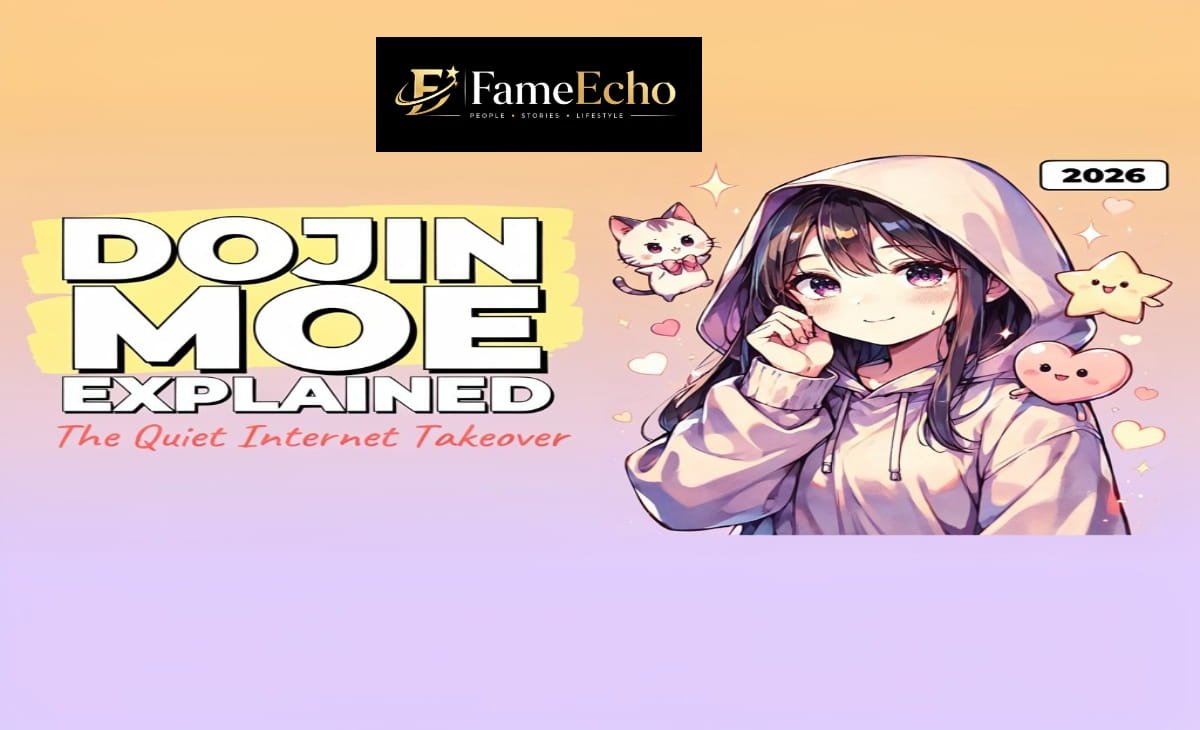

The internet is a boundless landscape of creativity. Moreover, every so often, a cultural concept emerges that captures the imagination of millions — not through corporate marketing, but through genuine artistic passion. Dojen moe is one such concept. The internet has created many unique subcultures, but few are as creative and emotionally engaging as dojen moe. Over the last few years, fans of anime, manga, gaming, and Japanese pop culture have become increasingly interested in this artistic movement. Today, therefore, dojen moe is more than just a trend — it is a powerful form of fan expression that combines creativity, emotion, storytelling, and artistic freedom.
Yet, despite its growing presence online, many people still struggle to find a clear and thorough explanation of what dojen moe actually is, where it comes from, and why it resonates so deeply with modern audiences. As a result, this guide aims to change that by covering everything you need to know — from its cultural roots to its exciting future.
This guide draws on established knowledge of Japanese fan culture, doujin publishing history, and moe aesthetics to give you an accurate and useful overview. All cultural references are grounded in documented sources.
What Is Dojen Moe?
Dojen moe is a creative style and cultural concept that combines doujin culture with the emotional appeal of moe aesthetics. In other words, it usually includes independently made artwork, comics, visual novels, fan fiction, animation, or digital content that focuses on emotionally lovable characters.
To fully appreciate the concept, however, you first have to understand its two core components separately.
The word “doujin” (同人) comes from Japanese fan culture. Specifically, doujin works are often self-published and created entirely outside major publishing companies. As a result, artists and writers use doujin projects to express their own ideas freely without commercial restriction. The formal published form — a self-published book or magazine — is called a doujinshi.
The second element, “moe” (萌え), carries a rich and layered meaning. Moe is a Japanese word that refers to feelings of strong affection mainly toward characters in manga, anime, video games, and other media directed at the otaku market. In practice, therefore, this means the warm, protective, and emotionally tender feeling a fan develops toward a character — a sensation that is uniquely personal yet universally recognized within these communities.
When combined, these two concepts create something remarkable. Together, they embody a shared emotional and cultural connection between people in both physical and digital worlds. Furthermore, this layered meaning makes dojen moe not just a trendy expression but a lasting cultural marker that adapts to different creative contexts.
Dojen moe content can include:
- Fan-made manga and doujinshi
- Independent anime-style artwork
- Visual novels with emotional storylines
- Cute and lovable original character designs
- Slice-of-life stories centered on warmth and friendship
- Fantasy romance content with soft aesthetics
- Indie gaming projects with character-driven gameplay
- Kawaii-influenced illustrations and motion art
Because of its emotional nature, dojen moe has attracted fans who enjoy creativity, comfort, nostalgia, and deeply personal storytelling.
Quick Fact Table
| Feature | Details |
| Term | Dojen Moe |
| Origin | Japanese fan & anime culture |
| Core Elements | Doujin (indie creation) + Moe (emotional affection) |
| Main Formats | Manga, visual novels, illustrations, indie games |
| Primary Audience | Anime, manga & digital art fans globally |
| Key Platforms | Pixiv, Booth.pm, Itch.io, Discord, Comiket |
| Emotional Theme | Comfort, warmth, emotional storytelling |
| Global Reach | USA, Europe, Southeast Asia & beyond |
| Comiket Founded | December 21, 1975 |
| Related Terms | Doujinshi, moe, kawaii, otaku, slice-of-life |
The Origins: Where Did Dojen Moe Come From?
To fully understand why dojen moe feels so meaningful today, we need to look at the cultural soil in which it grew.
The Rise of Doujin Culture
The word “doujin” itself has a surprisingly ancient origin. It traces back to the I Ching, an ancient Chinese divination text, where it carried the meaning of like-minded people gathering with shared aspirations — a sense that traveled through centuries before becoming tied to creative work during Japan’s Meiji era.
The modern doujin publishing tradition, however, has a very specific birthday. On December 21, 1975, a small group of manga fans and independent creators organized a gathering at Meiji University’s Surugadai campus in central Tokyo — calling it the Comic Market, or Comiket. Roughly 700 people attended that first event. Creators set up at folding tables and sold their handmade books directly to readers, with no publisher involvement, no licensing structure, and no distributor taking a cut.
The model proved remarkably durable. Comiket grew steadily through the late 1970s and 1980s, expanding from a niche gathering into a landmark event in Japanese popular culture. Today it is held twice a year — summer and winter — at the Tokyo Big Sight convention center, drawing between 500,000 and 750,000 attendees across three days.
Doujin activity falls into two broad streams: ichiji sōsaku (original creation), which builds new worlds from scratch, and niji sōsaku (derivative creation), which borrows characters and settings from existing works. Neither is considered more legitimate than the other — the two stand side by side within doujin culture. This distinction matters for understanding dojen moe, which draws freely from both traditions.
Additionally, conventions such as COMITIA — dedicated exclusively to original works — exist alongside Comiket, further demonstrating the breadth of the independent creative ecosystem.
The Growth of Moe Aesthetics
Moe aesthetics, on the other hand, originated in the late 1980s and early 1990s in Japan, eventually expanding through manga, anime, and video games. Unlike action-focused narratives, moe-centered stories dwelt on emotional intimacy, gentleness, and warmth. As a result, characters designed with large expressive eyes, soft color palettes, and kind personalities became beloved not just for their appearance but for the deep feelings they inspired in fans.
Popular moe characteristics include:
- Large, expressive eyes
- Soft, pastel color palettes
- Gentle and caring personalities
- Emotionally vulnerable or shy character traits
- Comfort-focused scenes and slice-of-life settings
- Kawaii (cute) visual styling
As moe culture grew, creators naturally began mixing these emotional elements with independent doujin projects. The crossover was organic — both traditions valued creative independence and emotional authenticity over mass-market appeal. Consequently, the result was dojen moe: a space where fan passion and emotional storytelling merge into something genuinely moving.
The Core Features of Dojen Moe
What, then, distinguishes dojen moe from other creative movements? Several defining characteristics stand out clearly.
Emotionally lovable characters are central to everything. Characters may appear shy, kind, innocent, awkward, or deeply caring. The goal, however, isn’t purely visual beauty — it’s to make audiences feel something meaningful. This emotional design philosophy, therefore, elevates dojen moe above simple aesthetics into the realm of genuine storytelling.
Soft visual aesthetics further support the emotional experience. Pastel color palettes, warm lighting, gentle facial expressions, and cozy environmental settings all work together to create a consistent atmosphere of emotional safety.
Personal and character-driven storytelling additionally distinguishes dojen moe from action-heavy mainstream content. Stories typically revolve around daily life, emotional growth, friendship, romance, loneliness, healing, and nostalgia — themes that feel intimate and deeply human.
Creative freedom is perhaps the most vital feature of all. Because independent creators aren’t beholden to major studios, they can follow personal emotional truths without needing market approval. This freedom, as a result, leads to far greater originality than corporate entertainment typically allows.
Fan community support and co-creation ties everything together. Fans frequently collaborate on art projects, fan translations, indie games, comics, and music. This ongoing collaboration creates an ecosystem where creation and appreciation exist in continuous, mutually enriching dialogue.
Why Dojen Moe Is Growing in Popularity
The rise of dojen moe is not accidental. In fact, several powerful cultural forces have aligned to bring it firmly into the mainstream.
People Want Emotional Connection
Modern entertainment is often dominated by spectacle — grand action sequences, shock moments, and rapid pacing. Meanwhile, many audiences are quietly searching for softer and more emotionally meaningful experiences. Dojen moe, therefore, offers comfort, warmth, and the sense of being truly understood.
Independent Creators Have More Freedom
Digital art software, indie game engines like Ren’Py, online publishing platforms, and crowdfunding systems have together made it feasible for a single creator to produce professional-quality dojen moe content from their bedroom. Consequently, the barrier to entry has never been lower than it is today.
Anime and Otaku Culture Is Going Global
The digital age has accelerated the visibility of this movement enormously. What once lived in niche otaku communities now thrives on mainstream platforms. Streaming services have introduced entire new generations to anime storytelling, and as the base audience grows, interest in deeper subcultures like dojen moe naturally follows.
Social Media Helps Communities Grow
Platforms like Discord, Reddit, TikTok, and art-sharing sites allow fans to find each other globally in seconds. Moreover, a creator posting dojen moe artwork at midnight in one country might wake up to thousands of new followers by morning. This instant community-building is something no previous generation of independent creators has ever had access to.
Dojen Moe Across Different Media
One of the most remarkable things about dojen moe is how fluidly it moves across creative formats. Rather than being locked to a single medium, it expresses itself in many forms simultaneously.
Fan-made manga and doujinshi remain the backbone of the movement. Independent creators produce everything from short emotional vignettes to lengthy serialized stories, all exploring moe themes through a doujin creative lens.
Visual novels have additionally become a particularly fertile medium. The format’s emphasis on character interaction, emotional branching narratives, and intimate pacing aligns perfectly with dojen moe values. Many independent developers use tools like Ren’Py or Twine to build these projects. As a result, many beloved indie visual novels have emerged directly from this tradition.
Illustration and digital art represent the most immediate expression of dojen moe aesthetics. Soft character portraits, warm scene compositions, and emotionally resonant expressions circulate widely across platforms like Pixiv, reaching new audiences every day.
Indie gaming has also absorbed dojen moe sensibilities in compelling ways. Small development teams produce games where emotional character connection is the primary gameplay element — sometimes deliberately defying the action-heavy norms of the mainstream industry.
Animation and motion art round out the landscape. Independent animators use dojen moe visual language to create short films and character vignettes that generate significant emotional impact despite their small scale and modest budgets.
The Emotional Psychology Behind Dojen Moe
Why, exactly, does dojen moe create such powerful emotional bonds between fans and fictional characters? The answer lies firmly in human psychology.
Moe is closely related to neoteny — the retention of childlike physical features such as large eyes, soft proportions, and rounded shapes that instinctively trigger nurturing responses in humans. When characters are designed around these features while also displaying emotional vulnerability, kindness, or quiet courage, they naturally activate deep empathy in their audiences.
Beyond aesthetics, however, the psychological pull of dojen moe goes much deeper. These characters often represent idealized versions of emotional qualities — unwavering loyalty, gentle strength, quiet endurance — that audiences find deeply aspirational. Connecting with them, therefore, becomes a form of emotional exploration: a way of engaging with feelings that may be difficult to express in ordinary daily life.
Furthermore, in a world where stress and disconnection are widespread, the comfort offered by dojen moe content isn’t trivial. It functions effectively as a form of emotional wellness — a space to feel warmth, hope, and gentleness without judgment or consequence.
What makes dojen moe particularly interesting from a cultural standpoint is that it occupies a space Western media has largely ignored: the deliberate, unapologetic creation of comfort. While Hollywood chases spectacle and tension, dojen moe creators optimize for warmth. That is not a lesser artistic ambition — it is simply a different one, and for millions of fans, it is exactly the one that matters most.
Where to Find Dojen Moe Content
One practical gap in most discussions of dojen moe is the failure to point readers toward where the content actually lives. If you want to explore this creative world, several platforms are central to it.
Pixiv is the most important starting point. The Japanese art-sharing platform hosts millions of doujin illustrations, manga pages, and character designs, with robust tagging systems that make finding moe-style independent content straightforward. Many of the movement’s most celebrated artists build their primary audience here before expanding to other platforms.
Itch.io serves the indie game and visual novel side of dojen moe. Independent developers publish emotional character-driven games and visual novels here, often available for free or at very low prices. The platform’s community features allow direct creator-fan communication that larger storefronts simply don’t offer.
Booth.pm functions as the primary marketplace for purchasing digital and physical dojen moe merchandise — prints, art books, digital illustration packs, and indie comics — directly from their creators. It is essentially the online extension of the Comiket marketplace experience.
Discord communities centered around anime, indie art, and specific fandoms are where the living conversation about dojen moe happens in real time. Many active creators maintain their own servers where fans can follow work-in-progress, give direct feedback, and participate in collaborative creative projects.
Comiket remains the gold standard for physical discovery. The most recent events have drawn a combined 250,000 to 300,000 people over a two-day run, with participants arriving from over 71 countries and regions. For anyone serious about dojen moe culture, attending even once is a transformative experience that no digital platform can fully replicate.
Dojen Moe and Digital Identity
Unlike terms tied to specific products or fixed definitions, dojen moe operates more like a living conceptual identity. People encounter it in usernames, creative branding, digital art circles, and niche content communities — and then carry it forward into their own self-expression.
This quality connects dojen moe to a broader shift in how people form identity online. For previous generations, cultural identity was largely tied to geography, language, and physical community. For many people active in dojen moe spaces today, however, identity is built around shared aesthetic sensibilities, emotional values, and creative participation — regardless of where in the world they happen to live.
In practical terms, this means dojen moe functions as both a creative label and a community signal. When an artist tags their work with moe-related terminology or presents it in the soft aesthetic style associated with doujin culture, they are not just describing a visual style — they are announcing membership in a particular emotional and creative community. This signal is instantly readable to others within the space, consequently creating a sense of recognition and belonging that transcends language barriers.
This explains, furthermore, why dojen moe has spread so effectively beyond Japan. The emotional language it speaks — warmth, gentleness, creative sincerity — translates across cultures without needing literal translation. A fan in Brazil, a creator in Indonesia, and an artist in Germany can all participate in the same dojen moe community with full mutual understanding, because the shared language is feeling rather than words.
The Business Ecosystem Around Dojen Moe
What began as a purely fan-driven movement has, over time, developed meaningful economic dimensions. As a result, independent creators have found sustainable ways to support their work through the communities they build.
Merchandise
Merchandise represents a primary revenue stream for many established creators. This includes posters, art prints, keychains, acrylic standees, digital art packs, indie art books (known as doujinshi), and plush toys — all sold directly to fans with no corporate middleman.
Patreon and Membership Systems
Membership platforms allow dedicated fans to support creators monthly in exchange for exclusive content, early access to new work, behind-the-scenes updates, and personalized commissions. This direct economic relationship between creators and fans is one of the defining features of the dojen moe economy.
Convention Sales
Comiket and similar events — including regional conventions across the United States, Europe, and Southeast Asia — provide physical gathering spaces where creators sell their work face-to-face. These events generate significant revenue for established creators and provide crucial exposure for newer artists.
Indie Gaming Success
Some indie visual novels and games rooted in dojen moe aesthetics have achieved remarkable commercial success on platforms like Steam and Itch.io. This success demonstrates clearly that emotionally-driven independent content can compete meaningfully in the broader entertainment market — and often surpass it in terms of fan loyalty and word-of-mouth impact.
Challenges and the Road Ahead
No creative movement, however successful, is without its real difficulties. Dojen moe creators face several genuine challenges that deserve honest discussion.
Copyright and Legal Grey Areas
Copyright is one of the most genuinely complex challenges in dojen moe culture. Derivative doujinshi sit in a legal grey zone — using characters without the rights holder’s explicit permission can technically constitute copyright infringement. Even so, the practice has persisted for decades as a form of fan activity, with many rights holders tacitly tolerating — and in some cases quietly encouraging — fan creativity around their properties.
For creators working with original characters and worlds, this concern doesn’t apply. However, those producing fan-made content based on existing anime, manga, or game properties should research the specific policies of the relevant rights holders before publishing or selling their work commercially. Ignoring this reality entirely, as many introductory articles do, does a disservice to aspiring creators.
Financial Stability
Independent creation can be financially precarious, particularly in the early stages of building an audience. Most creators begin earning very little and build income gradually through a combination of merchandise, commissions, memberships, and convention sales.
Online Competition
Thousands of talented artists compete for attention online every single day. Standing out in a crowded digital landscape requires not just skill but consistency, community engagement, and a distinctive creative voice.
Burnout
Constant content creation can become emotionally and physically exhausting. Many creators in the dojen moe space — particularly those who maintain active social media presence alongside their creative output — report burnout as a significant long-term challenge.
The Future
Nevertheless, the future of dojen moe looks genuinely bright. Better digital tools, AI-assisted creative support, improved global payment infrastructure for independent creators, and the continued expansion of anime and otaku culture worldwide all point toward sustained growth. Additionally, virtual reality storytelling may eventually offer entirely new canvases for the kind of emotionally immersive experiences that dojen moe creators have always sought to produce.
Conclusion
Dojen moe represents something genuinely rare in modern entertainment: a creative movement built not on corporate strategy, but on human feeling. It is, above all, the product of artists who wanted to create something meaningful and fans who wanted to feel something real.
By fusing the independent creative spirit of doujin culture — tracing back to that first Comiket gathering of 700 people in 1975 — with the deep emotional warmth of moe aesthetics, dojen moe has carved out a lasting space in global digital culture. It offers creators a path to authentic expression and, at the same time, offers audiences something increasingly valuable: comfort, beauty, and the quiet reassurance that emotional storytelling still matters deeply.
In an era dominated by algorithms, spectacle, and commercial optimization, dojen moe is a reminder that the most enduring creative work has always been driven by genuine feeling. Whether you are encountering this concept for the very first time or returning to explore it more thoroughly, dojen moe invites you not just to observe, but to genuinely feel — and perhaps, to create.
Discover another topic you might find useful: Adultsrach Explained: The Viral Search Term Everyone Is Googling and What You Need to Know
Frequently Asked Questions
Is dojen moe only for hardcore anime fans?
Not at all. While anime fans make up a large part of the audience, dojen moe also attracts writers, digital artists, indie game developers, and anyone who values emotional storytelling and creative independence. Its appeal extends well beyond a single fandom, reaching anyone who appreciates warmth and sincerity in creative work.
Can beginners start creating dojen moe content without professional skills?
Absolutely. In fact, many of today’s most beloved dojen moe creators started with simple sketches and short fan stories. The community is notably welcoming to beginners, and numerous free tools — including Clip Studio Paint for illustration and Ren’Py for visual novels — make it easy to start creating from scratch.
How is dojen moe different from regular anime content?
Unlike mainstream anime, which is produced by large studios targeting wide commercial audiences, dojen moe is driven by independent creators with full artistic freedom. Consequently, it tends to be more emotionally intimate, experimentally structured, and personally expressive than commercial productions.
Is dojen moe popular outside Japan?
Yes, and its international reach is growing rapidly. Active communities exist across the United States, Europe, Southeast Asia, and Latin America. Furthermore, creators from these regions are now contributing their own unique artistic and cultural perspectives to the movement, making it genuinely global rather than simply Japanese-export culture.
Can dojen moe creation become a real career?
Increasingly, yes. Many creators earn sustainable income through merchandise sales, Patreon memberships, convention appearances, commissioned artwork, and indie game publishing on platforms like Steam and Itch.io. While it requires dedication and consistent community-building, dojen moe has proven itself as a viable creative career path for talented, consistent creators.
What is the difference between doujin and doujinshi?
“Doujin” (同人) refers to the creators themselves — individuals or groups who share a creative interest and produce work independently. “Doujinshi” is the specific term for the self-published books, magazines, or comics they produce. Think of doujin as the broader community and creative spirit, and doujinshi as one of its primary creative outputs. Dojen moe draws on the broader doujin spirit rather than being limited to doujinshi specifically.
Where is the best place to start exploring dojen moe art online?
Pixiv is the most comprehensive starting point for discovering dojen moe illustrations and indie manga. For visual novels and indie games in this style, Itch.io is the go-to platform. If you want to buy art books or merchandise directly from creators, Booth.pm is the primary marketplace. Finally, Discord communities centered around anime and indie art are the best places to have real conversations with active creators and fellow fans.
